Securing a reliable pest control service near me in Big Bend begins with immediate hazard containment, precise species identification, and thorough structural extermination. Our field technicians deploy targeted mechanical containment, residual crack-and-crevice treatments, and perimeter barrier defense across Waukesha County to protect foundations, subfloors, living areas, and attics from biological contamination.
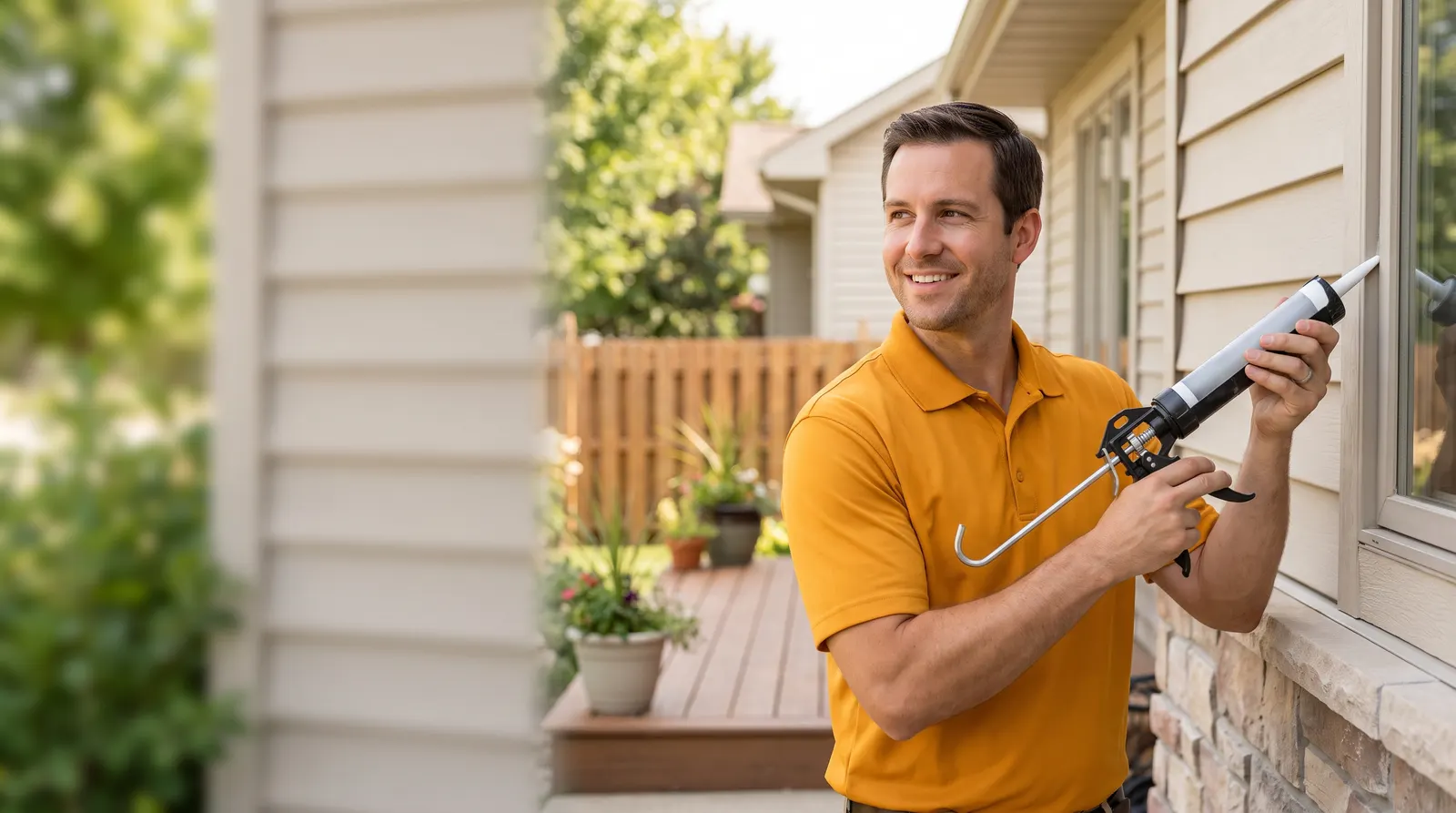
Pest Control Service in Big Bend is a specialized extermination and structural exclusion solution designed to eliminate active insect and rodent infestations while sealing building envelopes across local residential and commercial properties.
Every service reflects the same meticulous attention to detail — whether it's a single job or a larger pest control service project across Big Bend.
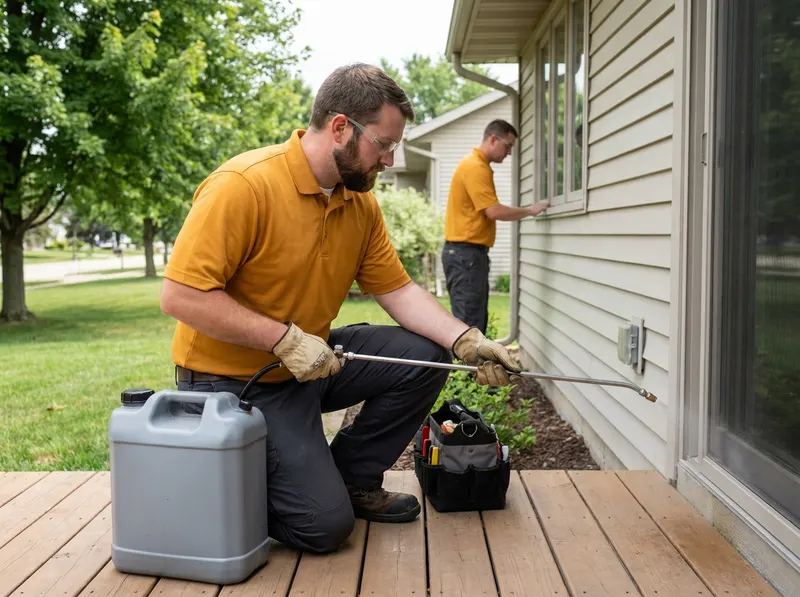
Residential pest control provides systematic interior and exterior protection tailored specifically for single-family residences, historic homes, duplexes, and multi-family structures throughout Big Bend. The process begins with an exhaustive baseline inspection of all accessible structural zones, including unfinished basements, crawlspaces, attic cavities, attached garages, and exterior perimeter foundations. Field specialists identify active harborages, nesting sites, food attractants, and microscopic structural entry points where pests penetrate exterior envelopes. Interior treatments focus on precision crack-and-crevice applications utilizing low-volatility, EPA-registered micro-encapsulated compounds along baseboards, behind large kitchen appliances, inside utility chases, and around plumbing rough-ins. Exterior treatments establish a continuous three-foot vertical and six-foot horizontal liquid defense perimeter along foundation walls, porch abutments, window wells, and siding transitions. This barrier actively repels and neutralizes perimeter invaders such as odorous house ants, sowbugs, earwigs, silverfish, and spiders before they penetrate interior baseboards. Technicians clear spider webs from exterior soffits and treat structural weep holes with breathable mesh to preserve wall ventilation while locking out pests. Every residential treatment plan emphasizes non-intrusive application methods designed to maintain indoor air quality and protect household pets, avoiding broad pesticide broadcasting in favor of localized, high-impact insect harbor targeting.
View details →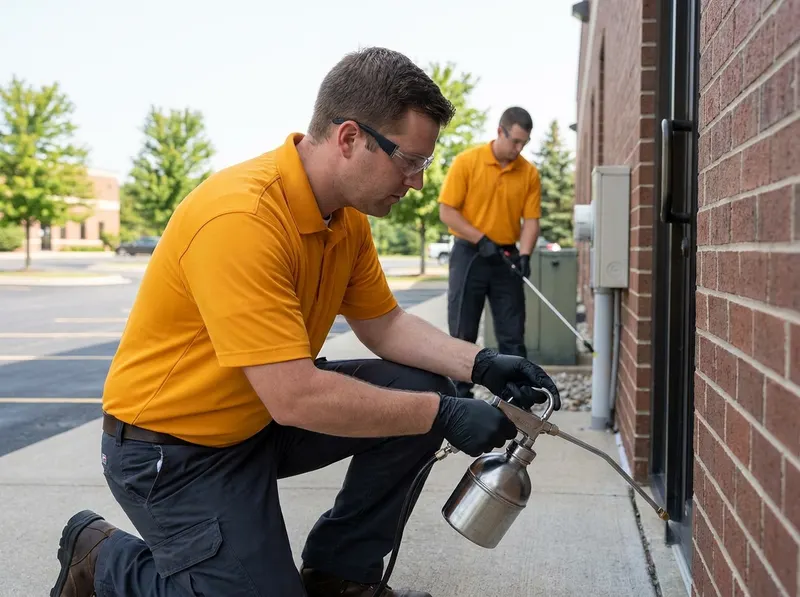
Commercial pest control delivers high-performance sanitation auditing, proactive pest monitoring, and code-compliant extermination services for commercial facilities, retail spaces, manufacturing plants, logistics hubs, and municipal buildings in Big Bend. Commercial operations face stringent health department standards and structural pest risks that can halt operations, damage inventory, or compromise regulatory certifications. Our commercial program implements a rigorous Integrated Pest Management framework that starts with a structural vulnerability audit of dock levelers, exterior bay doors, overhead piping, employee break rooms, utility chases, and waste disposal enclosures. Technicians deploy tamper-resistant mechanical bait stations and discrete electronic monitoring devices along interior perimeter walls and exterior building perimeters to capture pest population trends without disrupting commercial operations. Non-toxic monitoring protocols allow for early identification of beetles, pantry pests, cockroaches, and rodents before populations multiply into product inventory. Detailed physical and digital documentation logs every service action, chemical registration number, device check, and structural sanitation recommendation to satisfy internal audits, OSHA inspections, and county health regulations. We offer flexible scheduling, including early morning and after-hours service windows, ensuring commercial operations proceed smoothly without chemical exposure to staff or visiting customers.
View details →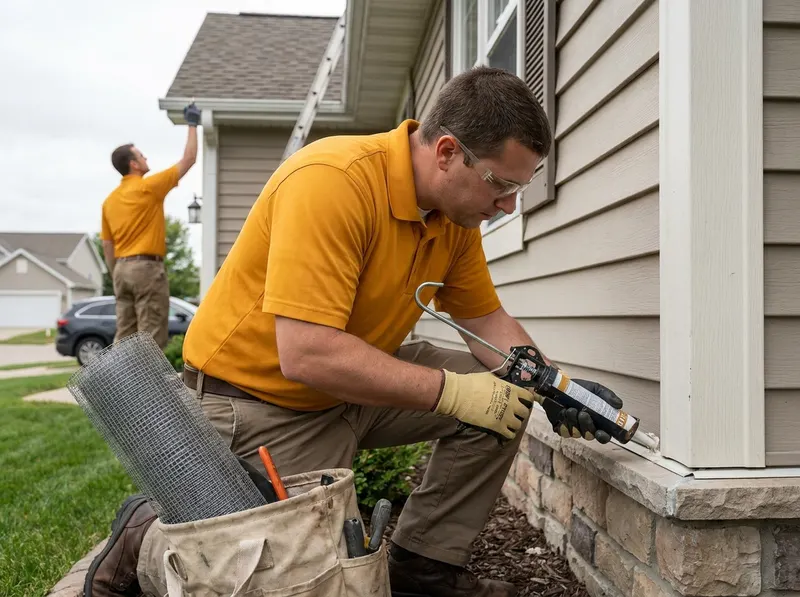
Rodent control and structural exclusion resolves active infestations of deer mice, house mice, and Norway rats through aggressive mechanical trapping combined with permanent architectural reinforcement. Rodents enter residential basements and wall cavities through apertures as small as one-quarter inch, creating severe hazards by gnawing on electrical wiring, destroying fiberglass insulation, and depositing biological contaminants across storage areas and food preparation surfaces. Our multi-stage protocol initiates with an intensive interior containment process that deploys heavy-duty snap traps, capture stations, and tracking powders within non-living structural voids, drop ceilings, crawlspaces, and basement sills. Concurrently, technicians conduct a comprehensive exterior building envelope survey from ground level up to rooflines. We systematically seal discovered structural gaps using corrosion-resistant galvanized hardware cloth, stainless steel mesh, copper packing materials, and rigid polyurethane expanding foams injected with particulate deterrents. Critical exclusion zones include sill plate transitions, air conditioning line-set chases, dryer vents, foundation vent covers, garage door threshold seals, and roofline soffit junctions. After eliminating the active indoor rodent population, technicians perform localized biological remediation, removing contaminated nesting materials and sanitizing droppings with hospital-grade antimicrobial agents to neutralize odors and airborne allergens.
View details →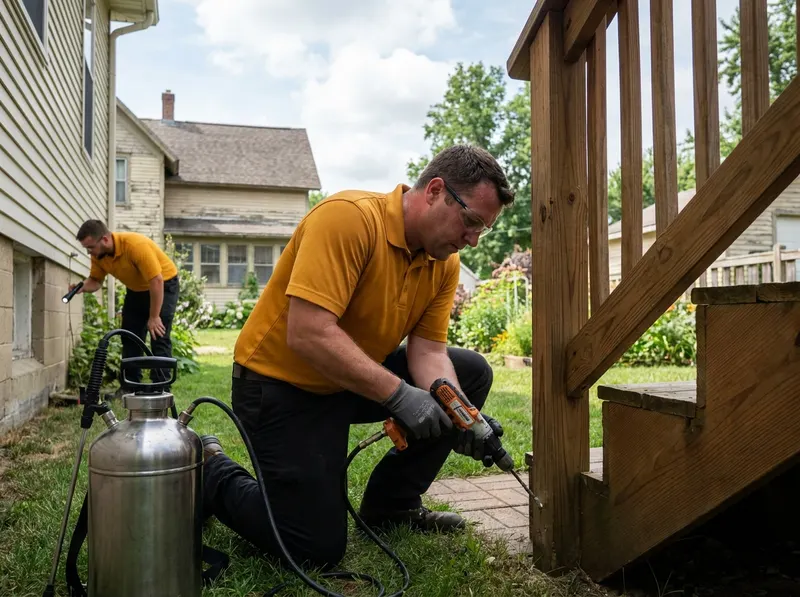
Termite and wood-destroying insect control protects structural lumber, load-bearing floor joists, rim joists, and wall studs from subterranean termites, carpenter ants, and wood-boring beetles. In the upper Midwest, carpenter ants carve smooth nesting galleries deep into damp structural framing, while subterranean termites construct subterranean mud shelter tubes from soil to subfloor framing to consume cellulose. Our certified inspectors perform rigorous structural assessments utilizing high-sensitivity acoustic listening devices, thermal imaging cameras, and non-destructive moisture meters to locate active structural decay and insect galleries inside finished walls and crawlspaces. When wood-destroying organisms are detected, we implement a targeted defense strategy tailored to the specific insect biology. For subterranean termites, technicians establish a continuous liquid non-repellent chemical barrier in the soil surrounding the foundation perimeter via trenching and sub-slab injection, transferring active termiticides back to the underground colony queen for total eradication. For carpenter ant infestations, technicians inject localized botanical or synthetic pyrethroid foams directly into active wall framing voids and foraging satellite nests, alongside perimeter tree-clearing recommendations and exterior wood-siding barrier sprays to sever outdoor access corridors.
View details →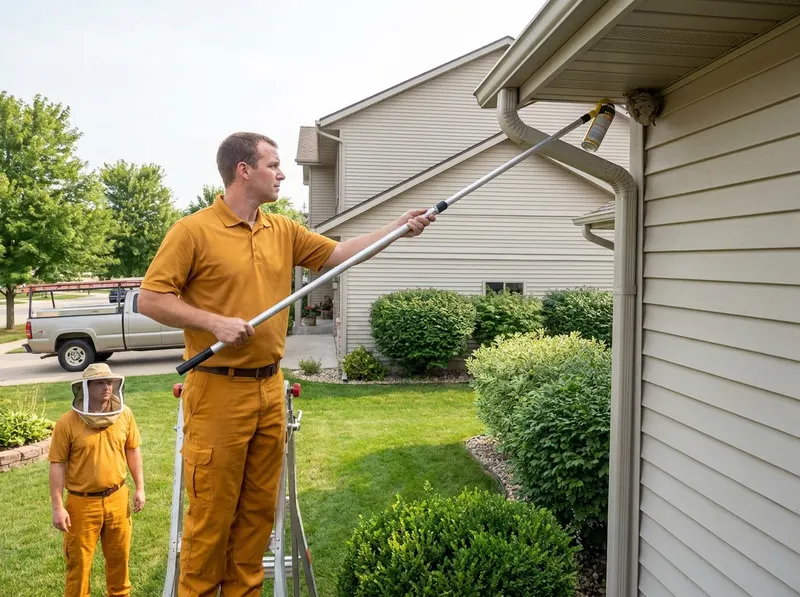
Stinging insect and wasp removal provides swift, definitive neutralization and physical extraction of aggressive stinging insect colonies, including paper wasps, bald-faced hornets, aerial yellowjackets, and ground-nesting yellowjacket colonies. Stinging insects present extreme health and physical safety hazards to property occupants, especially children and pets, when nests establish near high-traffic entryways, deck railings, roof eaves, children's play sets, or exterior wall vents. Our technicians arrive equipped with specialized protective equipment, telescoping aerosol application poles, and pressurized micro-particle injection systems designed to neutralize active nests rapidly upon initial contact. For elevated exterior hives attached to two-story peaks or soffit corners, high-reach pressurized freezing agents or residual insecticidal formulations knock down airborne foragers and eliminate interior nest queens instantly. Ground nests embedded in lawns, garden beds, or retaining walls receive specialized subterranean foaming applications that expand throughout the entire underground burrow network to saturate all brood chambers. Following complete chemical neutralization, technicians physically detach the nest structure from the building facade, scrape clean all mounting residue, and apply a high-concentration repellent residual to the substrate surface to prevent future queen wasps from rebuilding on that exact location.
View details →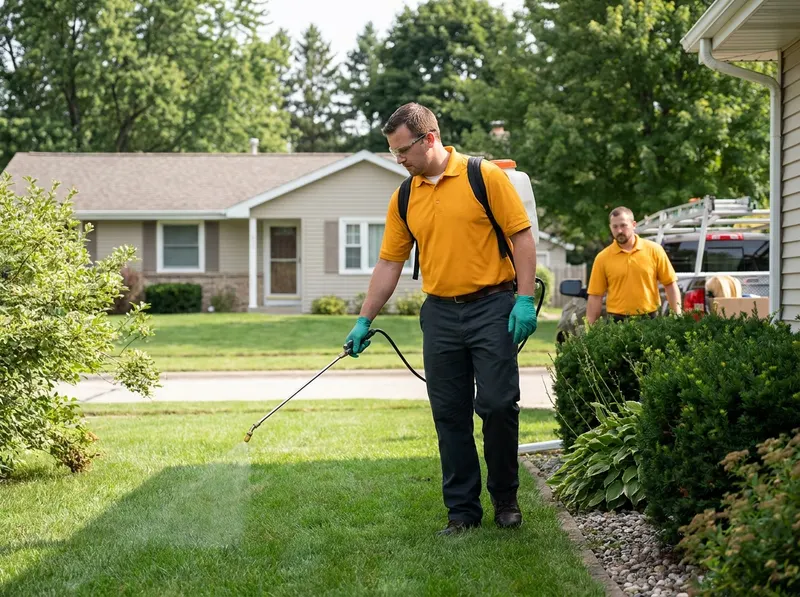
Mosquito, flea, and tick yard treatments transform overgrown or moisture-heavy outdoor properties into safe, comfortable living spaces by eradicating biting vectors that transmit Lyme disease, West Nile virus, and heartworms. Properties located near wetlands, river basins, or heavily wooded parcels in Big Bend experience dense populations of deer ticks, dog ticks, and aggressive floodwater mosquitoes from late spring through early autumn. Our outdoor treatment protocol utilizes high-volume backpack mist blowers that atomize micro-encapsulated insecticides and organic botanical oils into a fine, penetrating fog. The application coats the underside of broadleaf foliage, dense perimeter brush, tall turf boundaries, low tree canopies up to fifteen feet, ornamental landscaping, and shaded areas underneath decks where adult mosquitoes rest during daylight hours. In addition to eliminating adult biting pests on contact, the spray deposits an environmentally durable residual layer that stays bonded to plant surfaces through multiple rainfall cycles. For Standing water reservoirs, decorative ponds, and low drainage ditches that cannot be drained, technicians apply biological insect growth regulators containing Bacillus thuringiensis israelensis (BTI), which prevents aquatic mosquito larvae from developing into biting adults without harming fish, birds, or beneficial aquatic wildlife.
View details →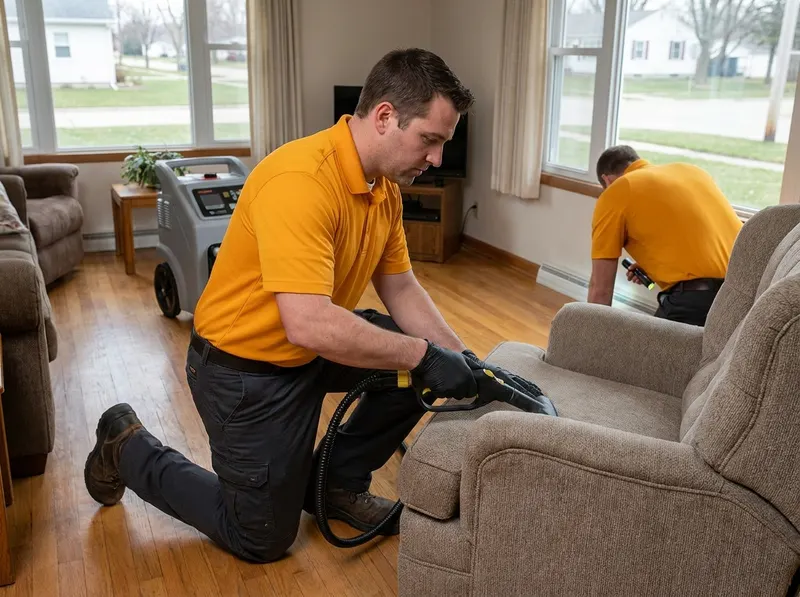
Bed bug remediation delivers definitive eradication of Cimex lectularius populations across residential bedrooms, rental units, guest quarters, and upholstered furnishings using a dual-modality chemical and thermal protocol. Bed bug infestations create immense emotional stress, sleep disruption, and skin irritation, with pests hiding deep within mattress tufts, bed frames, headboard mounting brackets, electrical wall outlets, baseboard tracks, and adjacent carpeting. Our eradication protocol begins with a meticulous room-by-room inspection to delineate the full boundaries of the infestation and identify harborage clusters. Technicians apply localized superheated dry steam to mattress seams, box springs, sofa crevices, and curtain hems, killing adult bugs and heat-sensitive egg clusters instantly on contact without damaging fabric. We follow steam applications with precision liquid and dust formulations applied into structural wall voids, switch plates, carpet tack strips, and furniture joints. These advanced insect growth regulators and residual desiccants remain active for months, breaking the reproductive lifecycle by preventing surviving newly hatched nymphs from reaching reproductive maturity. Post-treatment mattress encasements and monitoring climb-up interceptor traps installed beneath all furniture legs ensure long-term structural surveillance and complete eradication confirmation.
View details →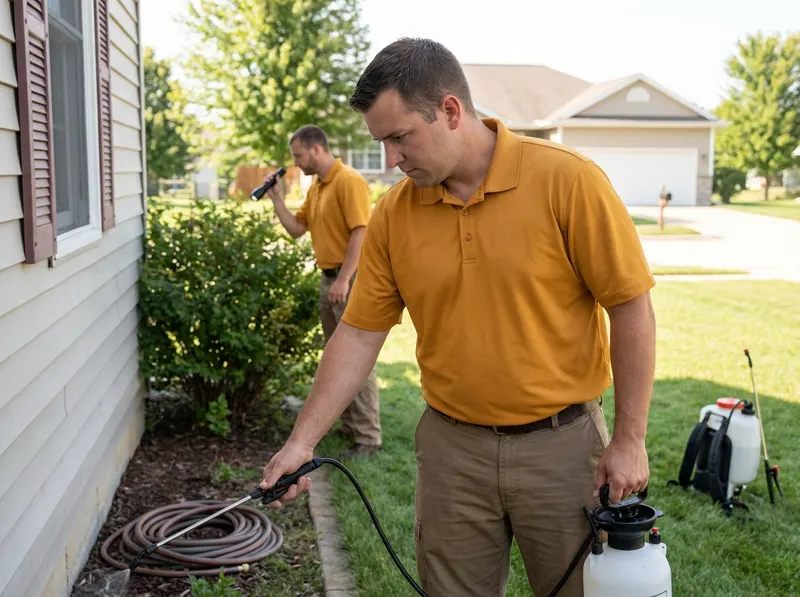
Cockroach and spider perimeter eradication targets stubborn crawling insect infestations, focusing on German cockroaches in kitchens, American and Oriental cockroaches in damp basements, and prevalent house, cellar, and wolf spiders throughout structural levels. German cockroaches pose severe sanitary threats by spreading bacteria across food prep counters, shedding allergenic cast skins, and nesting within appliance motor housings, drawer tracks, and cabinetry hinges. Technicians eradicate cockroach populations through systematic bait rotations using highly palatable insecticidal gel matrices containing abamectin and hydramethylnon, paired with insect growth regulators that disrupt molting and sterilize adult females. For basement and exterior spider control, technicians deploy mechanical web-removal brushes treated with residual contact repellents to clear corners, ceiling beams, exterior light fixtures, and window wells. We then apply micro-encapsulated wettable powders along basement floor-wall junctions, sump pump pits, perimeter foundation perimeters, and garage baseboards. This dual chemical and mechanical approach creates a wide protective perimeter that rapidly eliminates existing crawling insect populations while preventing outdoor hunting spiders and moisture-seeking pests from taking up residence inside structural living spaces.
View details →Pest Control Service in Big Bend is a specialized extermination and structural exclusion solution designed to eliminate active insect and rodent infestations while sealing building envelopes across local residential and commercial properties.
You get a firm, itemized quote for your pest control service before any work begins — no surprises, no pressure.
Careful prep, tidy work, and a full cleanup when we are done. We treat your home and belongings like our own.
The same trusted, background-checked team from the first call to the final check.
Selecting the correct structural treatment depends directly on the pest species, the entry mechanism, and the structural design of your property. If your home has an active indoor breach of field mice, Norway rats, or nesting bald-faced hornets, choose targeted emergency pest eradication to eliminate the immediate biological hazard within twenty-four hours through mechanical trapping or direct nest neutralization. If your residence borders high-moisture terrain near the Waukesha County Park Fox River Corridor or low-lying drainage ditches along the Mill Brook Corridor and experiences recurring seasonal invaders like boxelder bugs, Asian lady beetles, or wolf spiders, select a comprehensive multi-stage perimeter barrier defense applied directly to masonry skirts, siding transitions, and door thresholds. If you discover structural wood frass, hollowed structural lumber, or reproductive swarming wings inside basement sill plates, floor joists, or wall studs, choose a dedicated wood-destroying insect inspection and pressurized subterranean barrier injection. The primary trade-off between standalone emergency cleanouts and multi-stage perimeter defense involves long-term structural vulnerability: isolated exterior stinging insect nests require straightforward localized extraction, whereas properties with aging masonry, stone foundations, extensive tree canopy overhangs, or riparian moisture exposure require ongoing exterior reinforcement to prevent recurrent seasonal structural entry. Homeowners who prioritize non-chemical indoor safety should select mechanical exclusion packages that seal exterior entry gaps rather than relying solely on interior broadcast pesticide sprays.
Every project gets a firm, written price after a free on-site visit. Ranges below for orientation.
Tell us about your pest control service job and we'll send a clear, written quote — usually the same day. Or just call and talk to a real Big Bend pro.
(262) 706-0577
Properties throughout the Village of Big Bend and neighboring rural Waukesha County face unique, pronounced structural pest pressures driven by local hydrogeology and ecological microclimates. The meandering path of the Fox River Waterway along with the low-lying wetlands of the Mill Brook Corridor create persistently high regional water tables, localized humidity, and dense seasonal swarms of moisture-dependent insects. Neighborhoods such as Fox River Run, Edgewood Meadow, and Riverview Park Area frequently experience severe structural invasions from carpenter ants and dampwood termites that thrive in the naturally saturated soils and rotting root systems near riverbanks. Dense mature hardwood canopies in established subdivisions like Timberline Ridge, Cherry Hill, and Woodridge Estates overhang rooflines, dropping organic debris directly into rain gutters and creating natural transit bridges for mice, bats, and tree-dwelling ants to access attic soffits. Furthermore, as agricultural acreage surrounding State Highway 164 and Edgewood Avenue transitions during autumn harvest cycles, deer mice and meadow voles migrate en masse toward heated residential basements, seeking shelter in fieldstone foundations and unsealed sill plate seams. Near public recreational spaces like Big Bend Village Park, Big Bend Lions Club Park, and Big Bend Elementary School, late-summer picnic activity and damp athletic turf support aggressive underground yellowjacket colonies and bald-faced hornet aerial nests. Solving these localized pest challenges requires more than generic perimeter spraying; it requires an expert structural understanding of Big Bend topography, soil saturation levels, river corridor hydrology, and species-specific migration timelines to build impervious physical exclusions and durable chemical barriers around your home.
Free estimates for Big Bend & the surrounding area.
 Quick Stop Pest Removal